
Tribometer floor testing is one of the most effective methods for evaluating floor traction and identifying potential slip hazards in real-world environments. Facility managers, property owners, hospitals, banks and commercial building operators use this testing process to measure slip resistance directly where people walk every day. Unlike visual inspections alone, tribometer floor testing provides objective data that helps organizations make informed decisions about floor safety and risk management.
For organizations focused on preventing slip-and-fall incidents, tribometer floor testing offers measurable insights into floor performance under actual operating conditions. Whether evaluating a hospital corridor, bank lobby, retail entrance or office building walkway, this process helps determine whether a surface provides adequate traction for pedestrian safety.
What Is a Tribometer in Slip Testing?
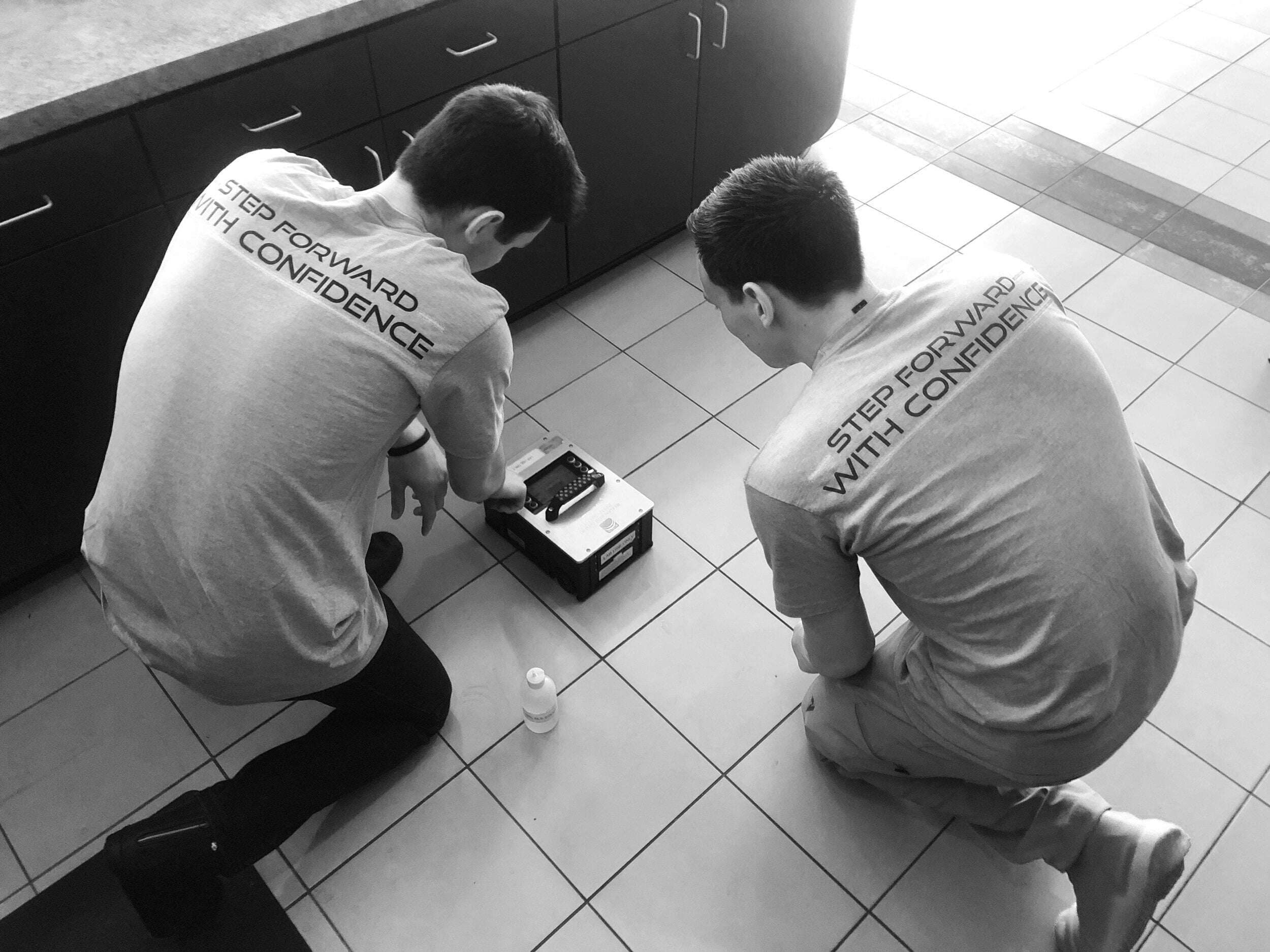
A tribometer is a specialized testing device designed to measure friction between two surfaces. In floor safety applications, it evaluates the amount of traction available between a walking surface and a test material that simulates footwear contact.
The primary purpose of a tribometer is to answer a critical question:
Does this floor provide sufficient traction for safe pedestrian use?
Because slip resistance cannot always be determined visually, professional floor slip testing programs rely on tribometers to provide measurable results.
Why On Site Tribometer Floor Testing Matters
Laboratory testing provides valuable information under controlled conditions but actual facilities experience changing environmental factors every day.
Floors are affected by:
- Moisture
- Cleaning chemicals
- Foot traffic
- Surface wear
- Floor coatings
- Maintenance procedures
- Weather conditions
On site tribometer testing evaluates floor performance where people actually walk, helping organizations identify risks that may not appear during laboratory evaluations.
Common areas requiring testing include: High traffic walkways, Building entrances, Hospital corridors, Bank lobbies, Restrooms, Cafeterias, Ramps and Transition zones
How a Tribometer Supports Slip Testing
A tribometer supports slip testing by giving facility teams objective traction measurements instead of relying only on visual inspection or personal judgment.
Visual inspections can identify cracks, spills, uneven tiles, loose mats and visible damage. However, they cannot accurately measure friction.
A tribometer adds measurable data to the inspection process. This helps property teams understand whether a floor is simply clean looking or actually performing safely.
What Makes a Tribometer Useful for On Site Testing?
A tribometer supports slip testing by providing measurable traction data rather than relying solely on subjective observations.
Visual inspections can identify:
- Cracks
- Uneven flooring
- Spills
- Damaged surfaces
- Loose mats
However, visual inspections cannot accurately measure friction.
Tribometer testing fills this gap by providing objective measurements that help determine whether a floor surface performs safely under expected conditions.
Tribometer Benefits for On Site Floor Testing
1. A Tribometer Provides Measurable Data
One of the greatest advantages of a tribometer is its ability to generate quantifiable traction measurements.
Instead of relying on statements such as “the floor feels slippery,” facility teams can use testing data to:
- Compare floor conditions
- Identify low traction areas
- Monitor changes over time
- Prioritize corrective actions
- Document safety efforts
2. A Tribometer Helps Identify Hidden Slip Hazards
Many slip hazards are invisible.
A floor may appear clean and well maintained while still presenting traction problems caused by:
- Cleaning residue
- Surface wear
- Moisture
- Floor polish
- Improper maintenance products
Professional floor traction testing helps uncover these hidden risks before they contribute to accidents.
3. A Tribometer Evaluates Real World Conditions
A tribometer can be used directly in the environment where slip risks occur.
Examples include:
- Wet entrances during rain
- Recently cleaned hospital floors
- Polished commercial lobbies
- Public walkways
- Food service areas
This allows organizations to evaluate actual floor performance rather than relying solely on theoretical assumptions.
Why the BOT-3000E Is Commonly Used as a Tribometer
The BOT-3000E is a widely recognized device used for floor traction testing. It measures coefficient of friction values and is commonly associated with ANSI A326.3 testing methodologies for hard surface flooring.
The BOT-3000E offers several advantages:
- Portable design
- Digital measurements
- Repeatable testing procedures
- Field testing capabilities
Walkway Management Group provides professional slip resistance testing and BOT-3000E training services for organizations seeking reliable floor testing solutions.
Learn more:
- Slip Resistance Testing: https://www.walkwaymg.com/services/slip-resistance-testing/
- BOT-3000E Training: https://www.walkwaymg.com/services/bot-3000e-training/
What Does a Tribometer Measure During Floor Testing?
A tribometer measures friction between a testing material and a floor surface.
Depending on the testing method, measurements may include:
- Static coefficient of friction
- Dynamic coefficient of friction
- Surface traction characteristics
However, readings should always be interpreted within the context of:
- Floor material
- Environmental conditions
- Maintenance practices
- Traffic patterns
- Moisture exposure
Professional interpretation helps ensure accurate conclusions and practical recommendations.
How Tribometer Testing Relates to DCOF
A tribometer can help measure coefficient of friction values, including Dynamic Coefficient of Friction (DCOF), depending on the testing method used.
DCOF data helps facility managers understand how much traction a floor surface provides during movement. This information is especially valuable when evaluating surfaces according to ANSI A326.3 guidelines.
When used with equipment such as the BOT-3000E, DCOF measurement provides objective data that supports safer maintenance decisions and long term floor safety planning.
Organizations that perform regular slip resistance testing can use DCOF measurements to: Support safety documentation,Why Tribometer Training Is Important,Monitor floor performance over time,Compare different flooring materials,Evaluate maintenance procedures,Identify areas with reduced traction,A tribometer is only as effective as the person operating it.
Proper training helps users understand:
- Equipment setup
- Testing procedures
- Documentation requirements
- Data interpretation
- Reporting standards
- Common testing errors
Organizations that invest in tribometer training can improve consistency and confidence in their slip testing programs.
Where Tribometer Testing Delivers the Most Value
Commercial Buildings
Commercial facilities often contain multiple flooring materials and high pedestrian traffic. Tribometer testing helps identify areas where traction may be compromised.
Hospitals and Healthcare Facilities
Hospitals have frequent cleaning, patient movement, rolling equipment, and areas exposed to moisture. On site testing helps identify higher risk corridors, entrances, restrooms, cafeterias and patient access zones.
Banks and Financial Institutions
Banks frequently use polished flooring materials that may become slippery when wet. Tribometer testing helps assess customer facing areas and entrances.
Hotels and Public Facilities
Hotels, schools, airports and government buildings benefit from floor traction testing because of their high visitor volumes and diverse flooring conditions.
Tribometer Testing vs. Visual Inspections
Visual inspections remain important but cannot replace tribometer testing.
Visual Inspections Identify:
- Cracks
- Broken flooring
- Surface damage
- Visible contaminants
Tribometer Testing Identifies:
- Reduced traction
- Slip resistance changes
- Wet versus dry performance
- Surface wear effects
- Hidden friction issues
The most effective floor safety programs combine both approaches.
Common Problems a Tribometer Can Detect
Tribometer testing can reveal:
- Slippery wet floors
- Cleaning residue buildup
- Worn traffic lanes
- Uneven traction levels
- Surface changes after treatments
- Entrance related slip hazards
These issues often remain undetected through visual inspections alone.ce.
What Happens After Tribometer Testing?
After testing is completed, organizations can use the results to improve floor safety.
Potential actions include:
- Updating cleaning procedures
- Installing walk off mats
- Improving drainage
- Applying non slip treatments
- Repairing damaged flooring
- Scheduling follow up testing
The goal is to reduce risk through informed decision making.
How Tribometer Testing Supports Risk Management
Slip and fall incidents can result in:
- Injury claims
- Insurance costs
- Legal expenses
- Operational disruptions
- Reputational damage
Tribometer testing supports proactive risk management by helping organizations identify hazards before incidents occur.
Documented testing programs also demonstrate a commitment to maintaining safe walking surfaces.
Why Professional Slip Testing Is Better Than Guesswork
Walking across a floor and judging traction by feel is not a reliable testing method.
Factors such as:
- Footwear
- Moisture
- Walking speed
- Surface contamination
- Floor material
can significantly affect perceived slipperiness.
Professional slip testing provides objective, repeatable measurements that support better safety decisions.
Working with a professional slip testing company also ensures testing procedures are performed consistently and interpreted correctly.
How Walkway Management Group Can Help
Walkway Management Group helps organizations improve floor safety through professional tribometer testing, slip resistance testing, and BOT-3000E training.
Services are designed to help facilities:
- Measure floor traction
- Identify slip hazards
- Document testing results
- Improve safety programs
- Reduce liability exposure
Learn more:
- https://www.walkwaymg.com/services/slip-resistance-testing/
- https://www.walkwaymg.com/services/bot-3000e-training/
Need professional tribometer testing for your facility? Contact Walkway Management Group for on-site slip resistance testing, BOT-3000E testing, and floor safety support across the United States.
Additional Resources
For more information about tribometers, slip resistance and floor safety standards visit:
- National Floor Safety Institute (NFSI): https://nfsi.org
- ASTM International: https://www.astm.org
- ANSI Standards Information: https://www.ansi.org
Final Thoughts on Tribometer Floor Testing
A tribometer is an essential tool for evaluating floor traction and supporting effective slip testing programs. By providing measurable data, identifying hidden hazards and helping organizations assess real-world floor conditions, tribometer testing plays a critical role in modern facility safety management.
For commercial buildings, hospitals, banks, and public facilities, regular testing can help reduce risk, improve safety outcomes, and support proactive maintenance decisions.
Combining tribometer floor testing with routine slip resistance testing, DCOF measurement and ANSI A326.3 guidance creates a stronger, data-driven approach to floor safety.
FAQs About Tribometers and Slip Testing
What is a tribometer?
A tribometer is a device used to measure friction between two surfaces and evaluate floor traction for slip resistance testing.
How is a tribometer used in slip testing?
A tribometer is placed on a floor surface and used according to established testing procedures to measure traction and friction characteristics.
Why is a tribometer useful for on-site floor testing?
A tribometer measures floor traction directly in real world conditions, helping identify slip hazards and evaluate surface performance.
What is the BOT-3000E?
The BOT-3000E is a digital tribometer commonly used for floor traction testing and slip resistance evaluations.
Who should use a tribometer?
Trained professionals, facility managers, safety consultants, inspectors and flooring specialists commonly use tribometers.
Can a tribometer prevent slip and fall accidents?
A tribometer cannot prevent accidents directly but it helps identify traction issues so corrective actions can be taken.
Does every commercial building need tribometer testing?
Many commercial facilities benefit from tribometer testing, especially those with high traffic, polished floors, wet conditions or public access areas.