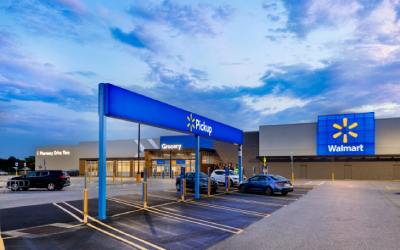

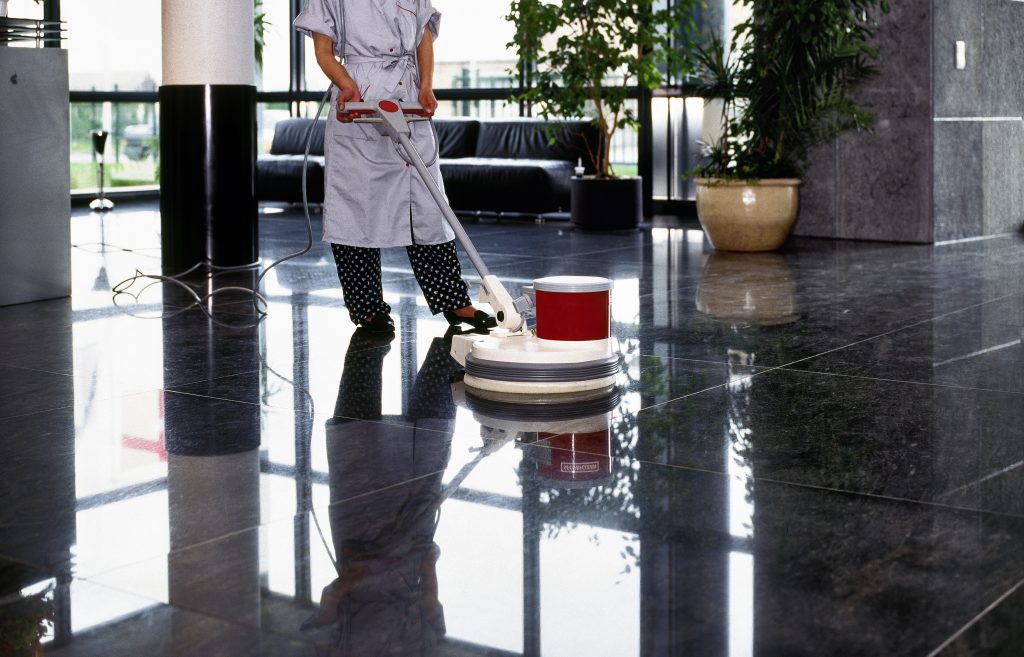
Hiring a slip testing company is one of the most effective ways businesses can proactively reduce slip-and-fall risks, improve floor safety, and protect themselves from costly liability claims. Professional floor slip resistance testing measures the Dynamic Coefficient of Friction (DCOF) of walking surfaces to determine whether they provide adequate traction for everyday use.
Many organizations only think about floor safety after an accident occurs. Unfortunately, waiting until someone is injured can expose businesses to lawsuits, insurance claims, reputational damage, and operational disruptions.
A professional slip testing company helps organizations identify hidden hazards before incidents happen by providing objective, measurable data about floor performance.
This guide explains what a slip testing company does, why businesses need one, when testing should be performed, and how professional floor safety assessments protect your organization.
What Is a Slip Testing Company?
A slip testing company specializes in evaluating the slip resistance of commercial, industrial, and public walking surfaces.
Rather than relying on visual inspections, professionals use specialized equipment to measure how much traction a floor provides under real-world conditions.
Professional testing helps businesses:
- Identify hidden slip hazards
- Reduce liability exposure
- Support safety programs
- Improve maintenance procedures
- Document compliance efforts
- Strengthen risk management strategies
A reputable slip testing company follows recognized industry standards and provides legally defensible documentation.
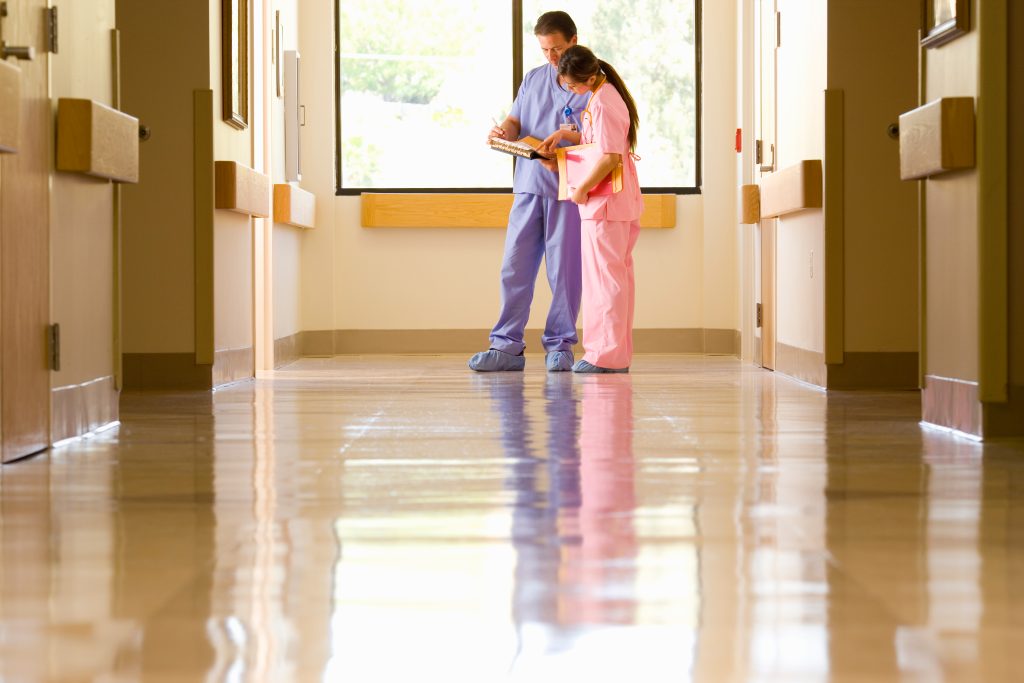
Why Businesses Need a Professional Slip Testing Company
Many floors appear safe but may not provide adequate traction.
Several factors can reduce slip resistance over time, including:
- Heavy foot traffic
- Moisture exposure
- Cleaning chemicals
- Floor coatings
- Polishing procedures
- Surface wear
Without testing, these changes often go unnoticed until an accident occurs.
Professional testing allows businesses to identify problems early and implement corrective actions before injuries happen.
What Does a Slip Testing Company Measure?
A slip testing company measures the Dynamic Coefficient of Friction (DCOF).
DCOF measures how much traction exists between a person’s footwear and the floor surface while walking.
Professionals commonly evaluate:
- Ceramic tile
- Porcelain tile
- Natural stone
- Concrete
- Vinyl flooring
- Wood flooring
- Composite surfaces
Testing may occur under wet or dry conditions depending on the environment.
Understanding ANSI A326.3
ANSI A326.3 is the American National Standard that addresses slip resistance for hard-surface flooring intended for level interior spaces.
The standard establishes a minimum wet DCOF value of 0.42.
Many organizations use this benchmark to evaluate floor safety performance.
A professional slip testing company can determine whether your floors meet these expectations.
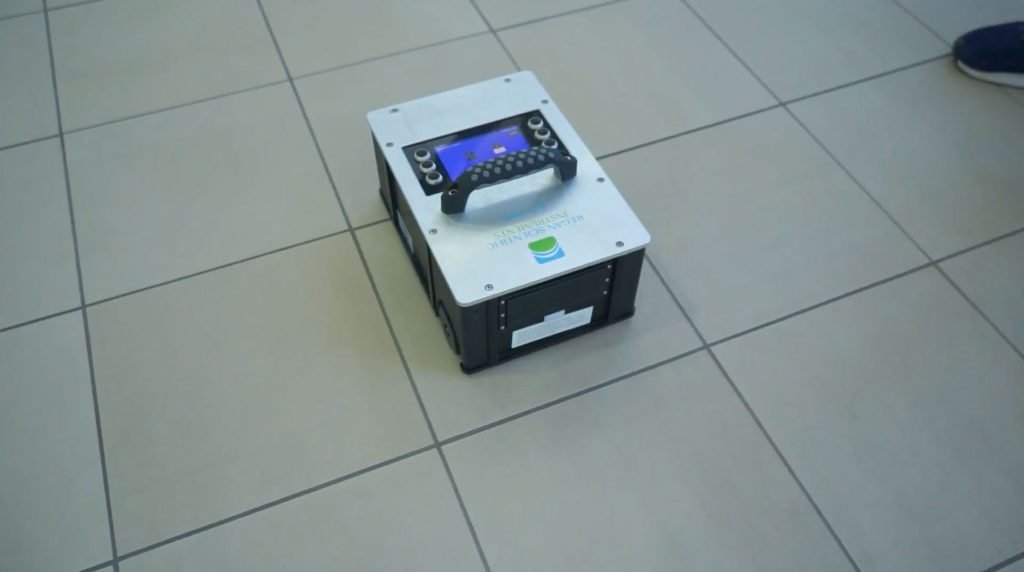
Why the BOT-3000E Matters
The BOT-3000E tribometer is widely recognized throughout the industry.
Importantly, it is the only tribometer named in ANSI A326.3.
Professional auditors use this equipment because it provides:
- Accurate measurements
- Repeatable results
- Objective data
- Detailed documentation
Testing reports often include:
- DCOF measurements
- Statistical analysis
- Testing locations
- Photographs
- Date and time stamps
These reports may support insurance reviews, compliance efforts, and legal proceedings.
When Should You Hire a Slip Testing Company?
Businesses should not wait until an accident occurs.
Here are the most common situations that require professional testing.
1. Before Opening a New Facility
New flooring does not automatically mean safe flooring.
Testing before opening establishes a baseline and verifies performance.
2. After Installing New Flooring
Installation methods can affect traction.
Testing confirms whether the installed surface performs as expected.
3. After Floor Treatments
Businesses should schedule testing after:
- Polishing
- Waxing
- Buffing
- Sealing
- Applying coatings
These treatments can significantly alter floor friction.
4. After a Slip-and-Fall Incident
Immediate testing helps businesses:
- Identify hazards
- Document conditions
- Support corrective actions
5. During Routine Safety Programs
Regular testing helps organizations monitor changes over time.
Recommended schedules include:
Quarterly
- Hospitals
- Restaurants
- Airports
- Commercial kitchens
- Aquatic facilities
Annually
- Office buildings
- Banks
- Retail stores
- Commercial properties
6. Before Insurance Reviews
Insurance carriers increasingly request documented safety programs.
Professional testing demonstrates proactive risk management.
7. When Purchasing a Property
New ownership often means inheriting unknown risks.
Testing establishes a documented baseline.

Industries That Benefit Most From a Slip Testing Company
Healthcare Facilities
Hospitals and senior care facilities experience:
- Constant foot traffic
- Frequent cleaning
- Vulnerable populations
Hospitality Businesses
Hotels and restaurants regularly encounter:
- Wet floors
- Food spills
- Heavy traffic
Retail Stores
Retail environments experience seasonal weather conditions and large visitor volumes.
Educational Institutions
Schools and universities benefit from routine evaluations.
Industrial Facilities
Manufacturing environments often involve:
- Oils
- Liquids
- Dust
- Fine particles
Commercial Buildings
Office buildings and mixed-use properties should include floor safety assessments in their maintenance programs.
What Happens During Professional Slip Resistance Testing?
A professional slip testing company follows a structured process.
Step 1: Site Assessment
Auditors identify high-risk areas such as:
- Entrances
- Hallways
- Restrooms
- Kitchens
- Elevators
- Break rooms
Step 2: Data Collection
The BOT-3000E records multiple measurements throughout the facility.
Step 3: Analysis
Professionals evaluate:
- Average DCOF
- Minimum DCOF
- Surface consistency
Step 4: Reporting
Businesses receive a detailed report that documents findings and recommendations.
Common Misconceptions About Slip Testing
“Our floors look safe.”
Visual inspections cannot measure traction.
“The manufacturer guarantees slip resistance.”
Laboratory ratings may not reflect real-world conditions.
“We clean regularly, so we’re safe.”
Some cleaning products can reduce friction.
“Slip testing is only necessary after an accident.”
Preventive testing provides the greatest value.
How Much Does Professional Slip Testing Cost?
Costs vary depending on:
- Facility size
- Number of surfaces
- Geographic location
- Testing requirements
However, professional testing is significantly less expensive than a liability claim.
Slip-and-fall settlements often range from $15,000 to $45,000 or more.
Preventive testing is a small investment compared to these potential costs.
How Often Should Businesses Schedule Testing?
General recommendations include:
Quarterly
- High-risk environments
- Wet environments
- Heavy traffic facilities
Annually
- Standard commercial properties
- Office buildings
- Lower-risk facilities
Organizations should also schedule testing after major floor changes.
Why Choose Walkway Management Group as Your Slip Testing Company?
Walkway Management Group is America’s leading provider of slip resistance testing services and the manufacturer of the BOT-3000E tribometer.
WMG provides nationwide services for:
- Commercial facilities
- Healthcare organizations
- Industrial facilities
- Hospitality venues
- Educational institutions
- Retail properties
Every assessment produces detailed documentation that supports:
- Compliance efforts
- Insurance reviews
- Risk management programs
- Liability defense strategies
Internal Resources
Learn more about our services:
External Resources
Additional authoritative resources include:
Frequently Asked Questions
What does a slip testing company do?
A slip testing company measures floor traction using specialized equipment to identify potential slip hazards.
What is DCOF?
DCOF stands for Dynamic Coefficient of Friction and measures how much traction a floor provides while someone is walking.
What equipment is used?
Professionals commonly use the BOT-3000E tribometer.
How often should businesses schedule testing?
High-risk facilities may require quarterly testing, while lower-risk properties often benefit from annual evaluations.
Is slip testing disruptive?
No. Testing is non-destructive and can usually be completed without interrupting operations.
Request a Quote From a Professional Slip Testing Company
If your organization has not completed a formal floor safety assessment within the past year, now is the time to act.
Professional slip resistance testing helps businesses create safer environments, reduce liability exposure, and proactively manage risk before accidents occur.
Contact Walkway Management Group today to schedule an assessment.
Or call:
+1-866-964-9255