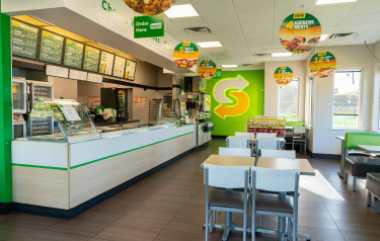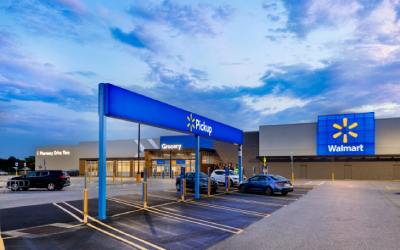


A floor safety evaluation is a professional assessment that measures the Dynamic Coefficient of Friction (DCOF) of a hard surface floor under real-world conditions. Unlike a visual inspection, it produces measurable traction data that reveals whether a surface is safe to walk on particularly when wet, worn, or recently treated.
Floor safety evaluations give facility managers something a walkthrough cannot: objective, documented proof of how a floor actually performs. A surface can appear clean, dry and well-maintained while still presenting a serious slip hazard. Understanding what a floor safety evaluation involves and how it differs from a standard inspection is the first step toward a more proactive safety strategy.
Floor Safety Evaluations vs. General Floor Inspections
Most facility teams conduct regular visual floor inspections. These are valuable. They identify cracks, broken tiles, uneven surfaces, loose mats, spills and visible damage. However, they answer only one question: does the floor look unsafe?
A professional floor safety evaluation answers a different and more critical question: does the floor provide enough measurable grip under real-world conditions?
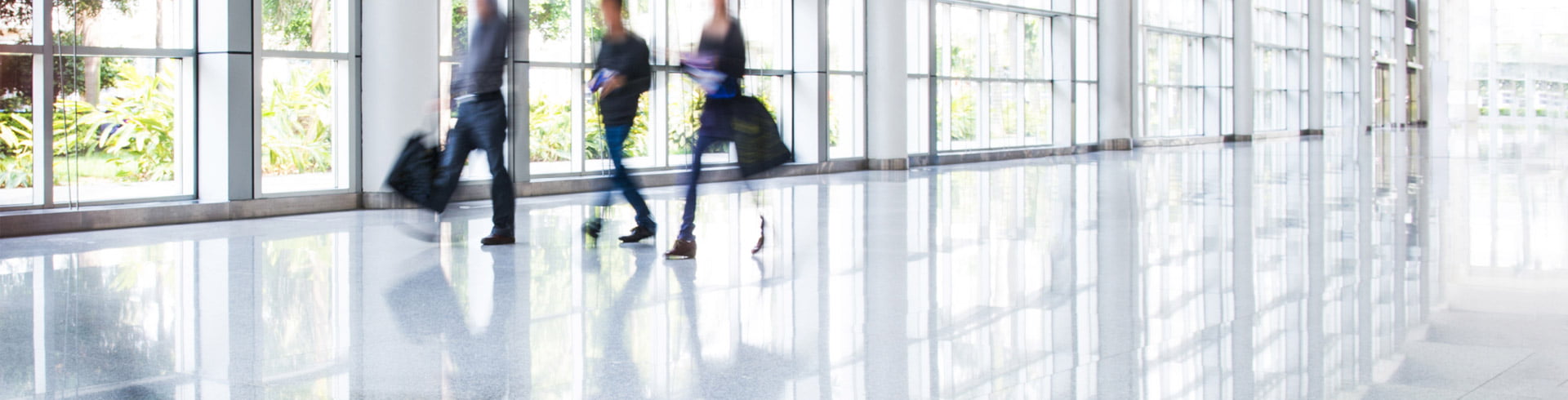
Many slip hazards produce no visible warning signs at all. A polished lobby floor may look immaculate while delivering dangerously low traction in wet conditions. A recently cleaned corridor may be spotless while carrying soap residue that has significantly reduced friction. These risks are invisible to the naked eye and undetectable without instrumented testing.
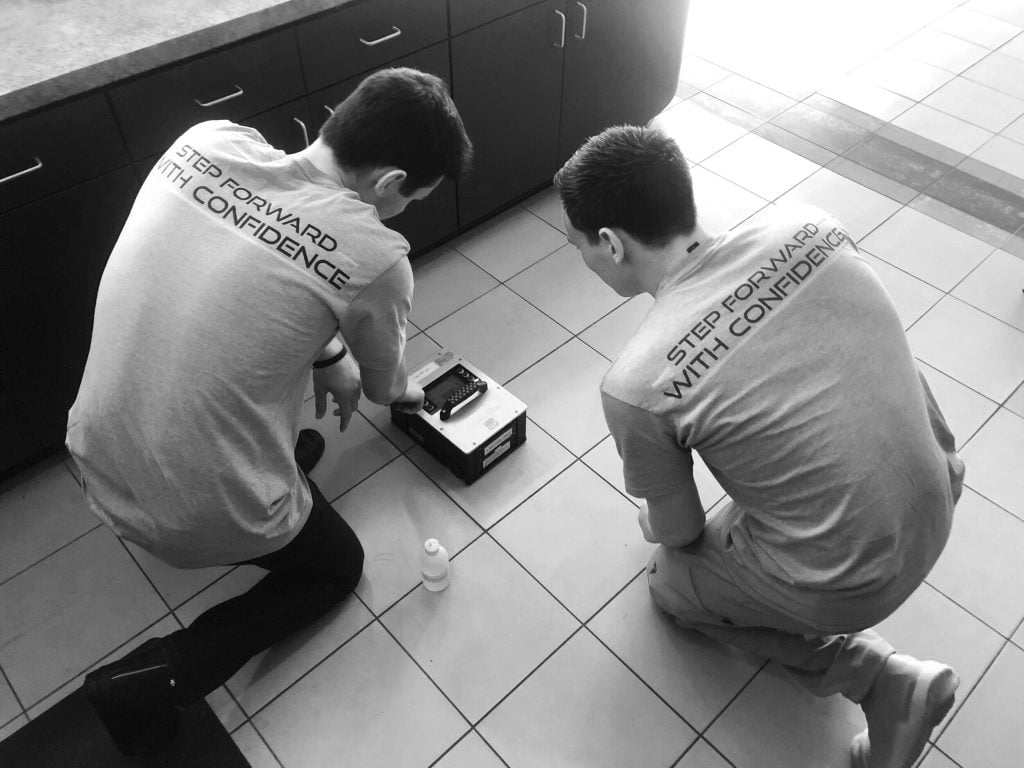
That is why floor safety evaluations use specialized tribometers such as the BOT-3000E to measure DCOF directly rather than relying on observation.
What Floor Safety Evaluations Measure
Professional floor safety evaluations measure a floor’s slip resistance, expressed as its Dynamic Coefficient of Friction (DCOF).
Walkway Management Group performs in-field COF testing aligned with ANSI A326.3, the recognized national standard for measuring DCOF on hard surface flooring. According to ANSI A137.1, a floor must achieve a DCOF of 0.42 or greater to be considered suitable for level interior spaces walked upon when wet.
Research from the CNA Risk Control Slip and Fall Study found that 50 percent of commercial facilities tested failed to meet the minimum DCOF threshold despite floors that appeared well-maintained. This data underscores why measurable evaluation matters far more than visual assessment alone.
Learn more about ANSI A326.3 standards: ANSI Webstore
What Hidden Hazards Floor Safety Evaluations Uncover
Floors That Become Slippery When Wet
Some floors perform adequately when dry but become hazardous under moisture exposure. This is especially common near building entrances, restrooms, cafeterias, kitchens, pool areas and medical facility corridors. Rain, spills, tracked-in water and routine mopping can all reduce traction below safe thresholds.
Cleaning Residue That Reduces Floor Traction
A floor can be cleaned daily and still be unsafe. Soap residue, floor polish, wax buildup, incorrectly diluted chemicals and incompatible cleaning products can leave behind a film that lowers DCOF without any visible sign. Floor safety evaluations identify whether cleaning practices are unintentionally creating slip conditions.
Worn Traffic Paths With Degraded Traction
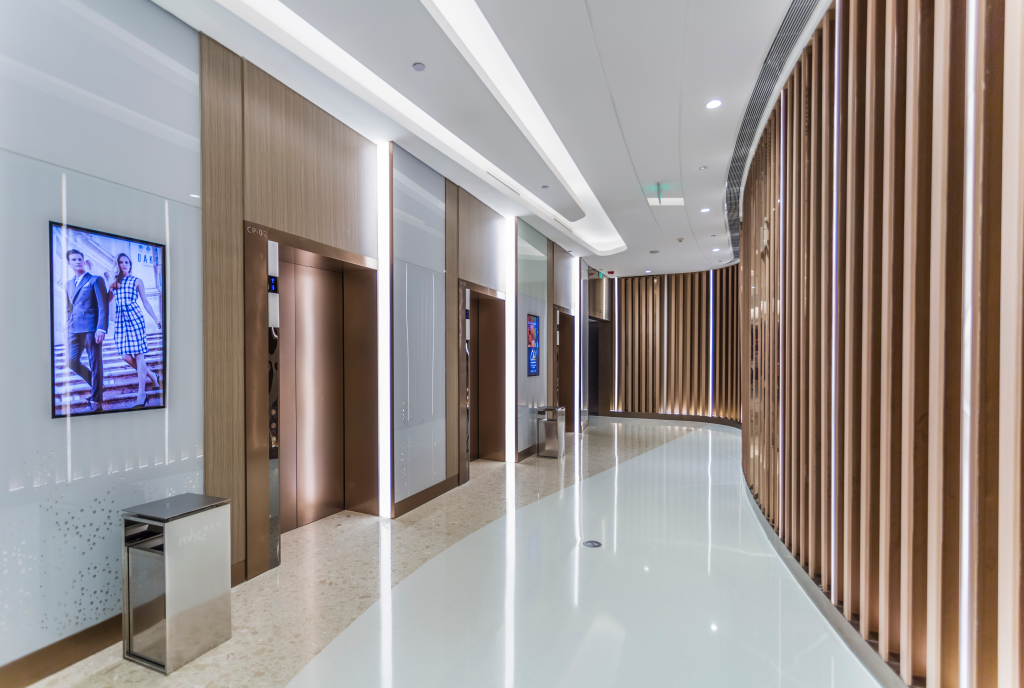
High-traffic areas wear differently from low-traffic areas. Thousands of footsteps gradually polish and smooth a surface, particularly in corridors, entryways, elevator lobbies, checkout areas and hospital walkways. The floor may still look acceptable while its slip resistance has changed significantly. Floor safety evaluations reveal whether heavy-use zones have lost traction compared to surrounding areas.
DCOF Changes After Floor Treatments
Floor treatments, coatings, sealers and polishing can change how a surface performs. Some treatments improve appearance but reduce traction if incorrectly selected, applied or maintained. Evaluating floors after any maintenance work confirms whether the surface still meets safe traction thresholds.
Inconsistent DCOF Across a Building
Many facilities contain multiple flooring materials: tile, concrete, stone, vinyl, terrazzo and polished surfaces, each performing differently under the same conditions. Floor safety evaluations identify which areas are performing safely and which require corrective attention, producing a complete traction map of the property.
What a Floor Safety Evaluation Report Contains
After a professional evaluation, the facility receives a documented audit report prepared in accordance with ASTM F1694-14 and ASTM F2048-00. A complete report typically includes:
- A testing diagram identifying all test locations and conditions
- A description of each floor surface assessed
- All DCOF measurements collected per zone
- A statistical analysis of results against the ANSI A326.3 threshold
- Photographs with timestamps documenting conditions at each test point
- An executive summary of findings
- Recommendations for corrective action where floors have failed or are approaching threshold
This documented record is also valuable from a liability standpoint. It demonstrates that the organization took proactive, measurable steps to assess floor safety, which matters significantly in slip and fall litigation.
Learn more about OSHA walking and working surface requirements: OSHA Walking-Working Surfaces
How Often Should Floor Safety Evaluations Be Scheduled?
Most facilities benefit from at least an annual evaluation. However, frequency should increase based on risk exposure. The following framework helps prioritize scheduling:
| Facility Type | Recommended Frequency |
|---|---|
| Hospitals and healthcare facilities | Every 6 months or after cleaning protocol changes |
| Bank branches and financial institutions | Annually or after floor treatments |
| High-traffic retail and commercial buildings | Annually or before peak traffic seasons |
| Schools and universities | Annually or after summer maintenance programs |
| Any facility post-incident | Immediately following any slip and fall event |
An evaluation should also be scheduled after installing new flooring, after polishing or sealing, after changing cleaning products, or when floors feel noticeably smoother than before.
Facilities That Benefit Most From Regular Floor Safety Evaluations
Hospitals and Healthcare Facilities
Hospitals experience constant foot traffic, frequent cleaning cycles and patients with mobility challenges. Floor safety evaluations help identify risk zones in corridors, entrances, restrooms, cafeterias and patient access areas before incidents occur.
Banks and Financial Institutions
Banks frequently use polished flooring that can become slippery when wet. Regular evaluations protect customers, employees and visitors while creating documented evidence of due diligence.
Commercial and Retail Properties
Office buildings, retail spaces, hotels and mixed-use properties often combine multiple floor materials with heavy public traffic. Evaluations help property teams locate declining traction before it becomes a liability.
Educational Institutions
Schools and universities experience high use, changing seasonal conditions and floors that are subject to intensive summer maintenance. Annual evaluations ensure surfaces remain safe when students return.
Signs a Floor Safety Evaluation Is Overdue
Consider scheduling an evaluation if any of the following apply:
- Floors feel smoother or more slippery than before
- Employees or visitors have reported slippery areas
- Cleaning products or maintenance routines have recently changed
- Renovations or new flooring have recently been completed
- Water frequently accumulates near entrances or in walkways
- Certain areas show visible wear or discoloration
- A slip and fall incident has occurred anywhere on the property
These signs often indicate that DCOF values have changed and measurable assessment is needed.
What Happens After a Floor Safety Evaluation
Testing is only the first step. The value is in using results to take corrective action. Depending on evaluation findings, a facility may need to:
- Adjust cleaning methods or product selection
- Improve mat placement and drainage near entrances
- Repair damaged or degraded flooring
- Apply corrective non-slip treatments to surfaces below threshold
- Improve wet weather signage and protocols
- Retest after corrective actions are completed to confirm improvement
How Walkway Management Group Conducts Floor Safety Evaluations
Walkway Management Group specializes in professional slip resistance testing and floor safety services for commercial, institutional and high-traffic environments throughout the United States.
Our evaluations use the BOT-3000E digital tribometer to measure DCOF in accordance with ANSI A326.3. Each engagement produces a fully documented audit report that facility managers can act on and retain as part of their safety program.
Internal Resources
Related Articles
- Why DCOF Values Change After Floor Use and Maintenance
- How Slip Testing Helps Identify Hidden Floor Safety Problems
- ANSI A326.3 Test and DCOF: What Is the Connection?
Final Thoughts on Floor Safety Evaluations
Floor safety evaluations provide what visual inspections cannot: measurable, documented evidence of how a floor actually performs under real-world conditions.
For commercial properties, hospitals, banks and public-facing facilities, that difference matters enormously. Proactive floor safety evaluations allow organizations to identify declining traction before it causes harm, make informed maintenance decisions, and build a documented record of due diligence.
If you are unsure whether your floors are performing safely, a professional floor safety evaluation is the most reliable way to find out.
FAQs About Floor Safety Evaluations
What is a floor safety evaluation?
A floor safety evaluation is a professional assessment that measures a floor’s Dynamic Coefficient of Friction (DCOF) using calibrated equipment to determine whether it meets minimum slip resistance standards under real-world conditions.
How is a floor safety evaluation different from a regular inspection?
A visual inspection identifies visible damage such as cracks, spills or uneven surfaces. A floor safety evaluation measures traction using instrumented testing revealing hazards that are invisible to the eye, such as cleaning residue, surface polish or moisture-related traction loss.
What DCOF value is considered safe?
According to ANSI A137.1, a floor must achieve a DCOF of 0.42 or greater to be considered suitable for level interior spaces walked upon when wet. Values below this threshold indicate elevated slip risk.
What equipment is used in a floor safety evaluation?
Walkway Management Group uses the BOT-3000E digital tribometer, which measures DCOF in accordance with ANSI A326.3, the recognized national standard for hard surface flooring.
How often should floor safety evaluations be performed?
Most commercial facilities benefit from annual evaluations. High-risk environments such as hospitals, facilities with polished flooring, or spaces with high moisture exposure should consider evaluations every six months or after any significant change to cleaning routines or floor treatments.
Can a floor look safe but still fail a safety evaluation?
Yes. A floor can appear clean, dry and well-maintained while having DCOF values below the safe threshold particularly when affected by cleaning residue, surface wear, floor treatments or moisture exposure.