
Slip and fall incidents are a leading cause of injuries in public and commercial environments. Because of this, slip and fall testing plays a vital role in identifying hazards before accidents occur. However, testing outcomes are shaped by multiple variables, not just the condition of the floor itself. Below is a structured, easy-to-follow breakdown of the five most influential factors that affect slip and fall testing results and why each one matters.
Factor Overview at a Glance
Before diving deeper, here’s a quick snapshot of what influences results most:
- Flooring material and surface condition
- Contaminants present on the floor
- Footwear interaction with the surface
- Environmental testing conditions
- Testing methods, equipment, and standards
Each of these elements works together to determine how safe or risky a walking surface truly is.
1. Flooring Material and Surface Condition
Every floor behaves differently under friction testing. Polished stone, ceramic tile, vinyl, sealed concrete, and textured surfaces all generate unique results. Even small variations, such as surface wear, scratches, coatings, or age, can change friction levels.
A floor that once tested safe may gradually become hazardous over time due to ongoing foot traffic and maintenance practices. Accurate slip and fall testing must always consider the material type and its current condition.
2. Contaminants on the Walking Surface
Most slip and fall accidents occur when floors are dirty and wet. Water, oils, cleaning chemicals, dust, or food residues significantly reduce traction. Testing a surface without contaminants may not reflect real-world conditions. That’s why professional slip and fall testing often includes both dry and wet scenarios. This approach provides a clearer understanding of risk and supports better safety planning.
3. Footwear Interaction and Contact Dynamics
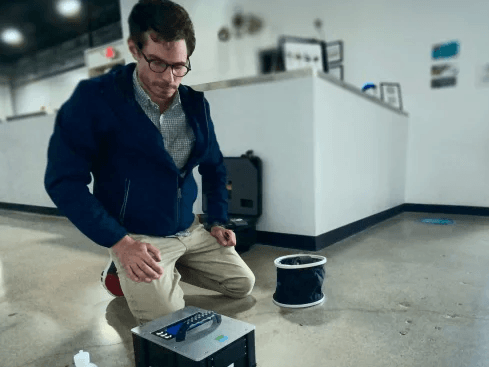
The relationship between footwear and flooring is critical. Shoe sole material, tread pattern, and hardness influence friction values during testing. Facilities such as hospitals, kitchens, retail stores, or industrial sites all involve different types of footwear. Slip and fall testing equipment is designed to simulate typical foot contact, but results still depend on how closely testing conditions mirror actual usage.
4. Environmental Conditions During Testing
Environmental factors may seem minor, but they can impact results more than expected. Temperature and humidity can alter surface moisture levels, affect floor coatings, and influence contaminant behavior. Testing conducted in controlled and documented environmental conditions ensures consistency and reliability. Without this consistency, results may vary and lead to misinterpretation of actual slip risk.
5. Testing Methodology, Equipment, and Standards
Not all testing methods measure slip resistance the same way. Different tribometers, calibration practices, and testing standards can produce varying results. Operator technique and adherence to recognized standards also play a role. Using properly calibrated equipment and trained professionals ensures slip and fall testing results are repeatable, defensible, and meaningful for compliance and risk management.
Why These Factors Should Never Be Ignored
Slip and fall testing is more than a compliance exercise. When these five factors are fully considered, test results become a powerful decision-making tool. They help identify hidden hazards, guide maintenance strategies, and reduce liability exposure. Ignoring any one factor can create a false sense of safety and increase the likelihood of preventable accidents.
Take Action for Safer Walkways
Reliable slip and fall testing starts with understanding what influences the results provide professional testing services, expert analysis, and actionable recommendations to help organizations reduce slip risks and improve walkway safety. Contact our team today to schedule an assessment and take proactive steps toward safer, more compliant walking surfaces.