
Floor safety risks are not constant throughout the year. Seasonal changes can dramatically affect how surfaces perform, often creating hazards that go unnoticed until an accident occurs. Understanding these shifts helps facility managers stay proactive, and Slip Resistance Testing is the most reliable way to confirm whether floors remain safe under changing conditions.
Here are five seasonal-related warning signs that indicate testing should not be delayed.
1. Rainy Weather Increases Indoor Slipperiness
During wet seasons, moisture is frequently tracked indoors through entrances and corridors. Floors that perform well during dry months can suddenly become hazardous when exposed to rainwater, mud, or damp footwear.
Slip Resistance Testing evaluates how indoor surfaces respond to wet contamination, helping determine whether current flooring, mats, or treatments are sufficient to maintain traction during prolonged rainy periods.
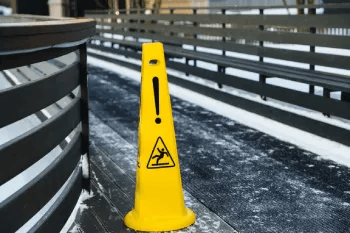
2. Outdoor Walkways Exposed to Climate Changes
Outdoor paths, ramps, and entryways face constant exposure to rain, humidity, heat, and debris. Seasonal weather can alter surface texture, encourage algae growth, or reduce friction over time.
Slip Resistance Testing helps assess whether outdoor walkways still provide safe grip levels despite environmental exposure. Testing is especially important before peak foot traffic periods or seasonal events.
3. Increased Cleaning During Certain Seasons
Some seasons require more frequent cleaning, especially during rainy months or busy commercial periods. While cleaning improves appearance, it can also leave behind residues that affect traction.
If floors feel slick shortly after cleaning, Slip Resistance Testing can identify whether cleaning methods or chemicals are reducing surface grip. This allows teams to adjust processes without compromising hygiene or safety.
4. Temperature and Humidity Affect Floor Performance
Changes in temperature and humidity can influence how certain flooring materials behave. Condensation, surface sweating, or changes in material flexibility may increase slip risk, particularly in air-conditioned environments.
Slip Resistance Testing provides objective data on how floors perform under real environmental conditions, ensuring safety is maintained regardless of seasonal climate changes.
5. Seasonal Foot Traffic Patterns Shift

Certain times of year bring higher foot traffic due to holidays, sales periods, or operational peaks. Increased use accelerates wear and introduces contaminants more frequently, reducing surface traction faster than expected.
Slip Resistance Testing helps identify whether high-use areas can safely handle seasonal demand or require targeted maintenance before issues escalate.
Why Seasonal Testing Is Often Overlooked
Many organizations assume floor safety remains consistent year-round. In reality, seasonal changes quietly alter surface performance. Without testing, these risks remain hidden until an incident occurs.
Slip Resistance Testing allows facilities to adapt their safety strategies to seasonal conditions, supporting consistent protection and reducing unexpected hazards.
Stay Ahead of Seasonal Slip Risks
Seasonal changes should not catch your facility off guard. Regular Slip Resistance Testing ensures floors remain safe, functional, and compliant no matter the weather, temperature, or traffic conditions.
If your floors experience changing conditions throughout the year, schedule professional Slip Resistance Testing to identify risks early and maintain safer walkways in every season.