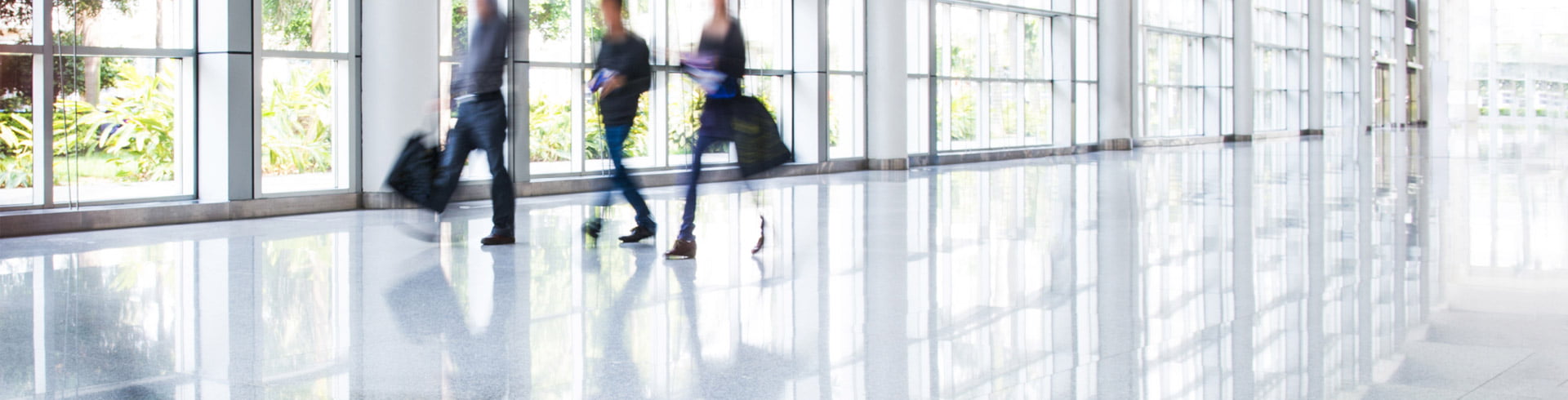

Creating a reliable approach to Floor Safety Testing is essential for reducing slip risks and maintaining safe walking surfaces. Many organizations test floors only after incidents occur, which leads to gaps in safety. A structured testing schedule helps identify risks early, supports compliance, and builds confidence across facilities.
When testing is planned and consistent, safety becomes part of everyday operations rather than an occasional task.
Understand Why Scheduling Matters
A testing schedule provides clarity on when, where, and how floors are evaluated. Without it, results become inconsistent and difficult to track. Scheduled Floor Safety Testing allows teams to compare results over time, notice patterns, and act before conditions worsen. This proactive mindset is far more effective than reacting after accidents.
Identify All Relevant Areas
Begin by listing every location where people walk or transition between surfaces. Entrances, stairways, ramps, restrooms, kitchens, and outdoor paths should always be included. Each space experiences different moisture levels, contaminants, and foot traffic. Understanding these variables helps create a schedule that reflects real conditions rather than assumptions.
Set Practical Testing Frequencies
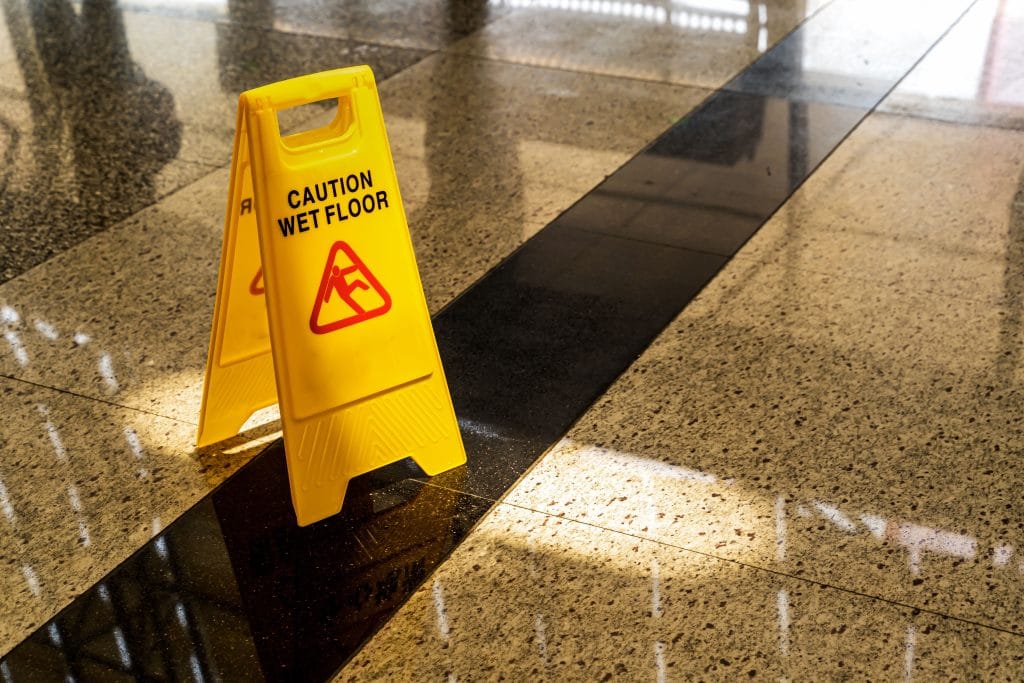
Not all areas require the same level of attention. High traffic zones and areas exposed to water should be tested more often than low use spaces. For example, entrances may require monthly testing, while office corridors can be tested quarterly. Review frequencies whenever flooring, cleaning methods, or usage patterns change.
Select Consistent Testing Methods
Consistency is critical in Floor Safety Testing. Using the same methods allows accurate comparisons across testing periods. Tribometer based testing and on site evaluations provide objective data when conducted correctly. Choose methods that align with recognized standards and apply them consistently throughout the schedule.
Document Results Clearly
Every test should be recorded with the date, location, surface condition, and results. Documentation supports audits, training, and corrective planning. Over time, records reveal trends that help prioritize improvements. Clear reporting also shows that safety responsibilities are being taken seriously.
Assign Clear Responsibility
A schedule only works when accountability is defined. Assign responsibility to trained internal staff or experienced partners such as Walkway Management Group. Clear ownership ensures tests are completed on time and follow up actions are not delayed.
Avoid Common Scheduling Mistakes
Many facilities rely on visual inspections alone, assuming clean floors are safe. Others test only after complaints or incidents. These approaches weaken safety efforts. Skipping documentation, changing methods frequently, or failing to train staff also reduces effectiveness. To avoid these issues, maintain consistency and communicate expectations clearly.
Review and Improve Regularly
An effective schedule is not static. Review it at least once a year and update it when conditions change. Share findings with maintenance and cleaning teams so improvements happen quickly.
Treat Floor Safety Testing as an ongoing process that evolves with your environment.
A well-designed testing schedule protects people, reduces liability, and supports safer walkways. By assessing spaces, setting realistic frequencies, using consistent methods, and reviewing results, organizations can manage risks with confidence.
If you need expert support, contact Walkway Management Group today to develop a Floor Safety Testing schedule that truly works for your facility.